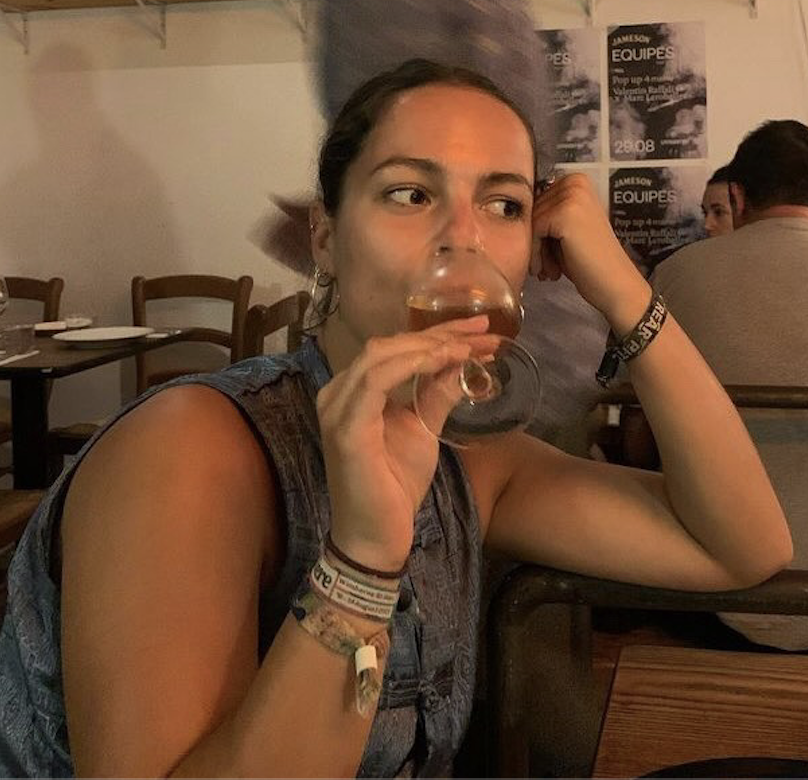
In Conversation: Wendi Tang, Los Angeles-based writer and director
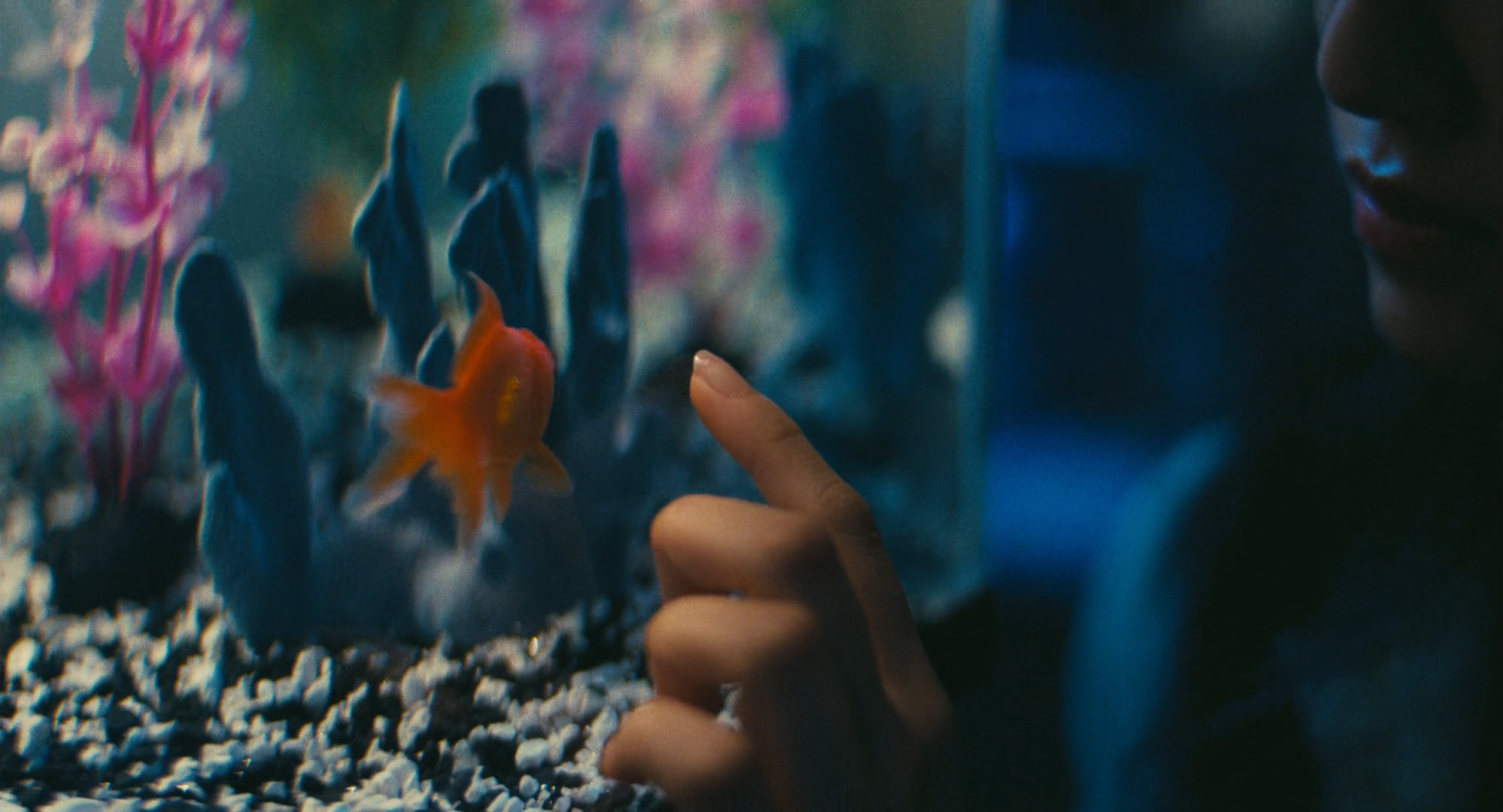
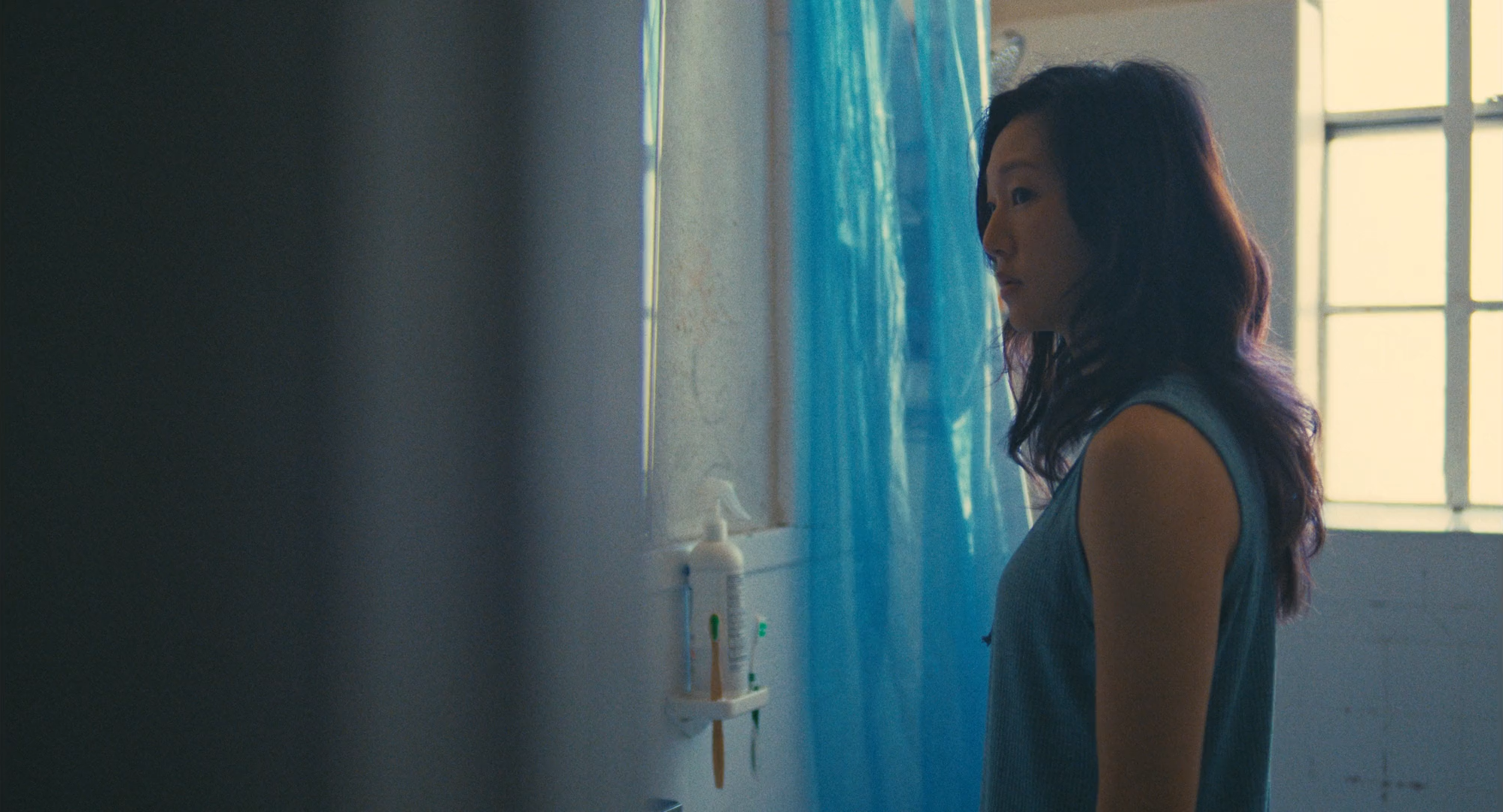
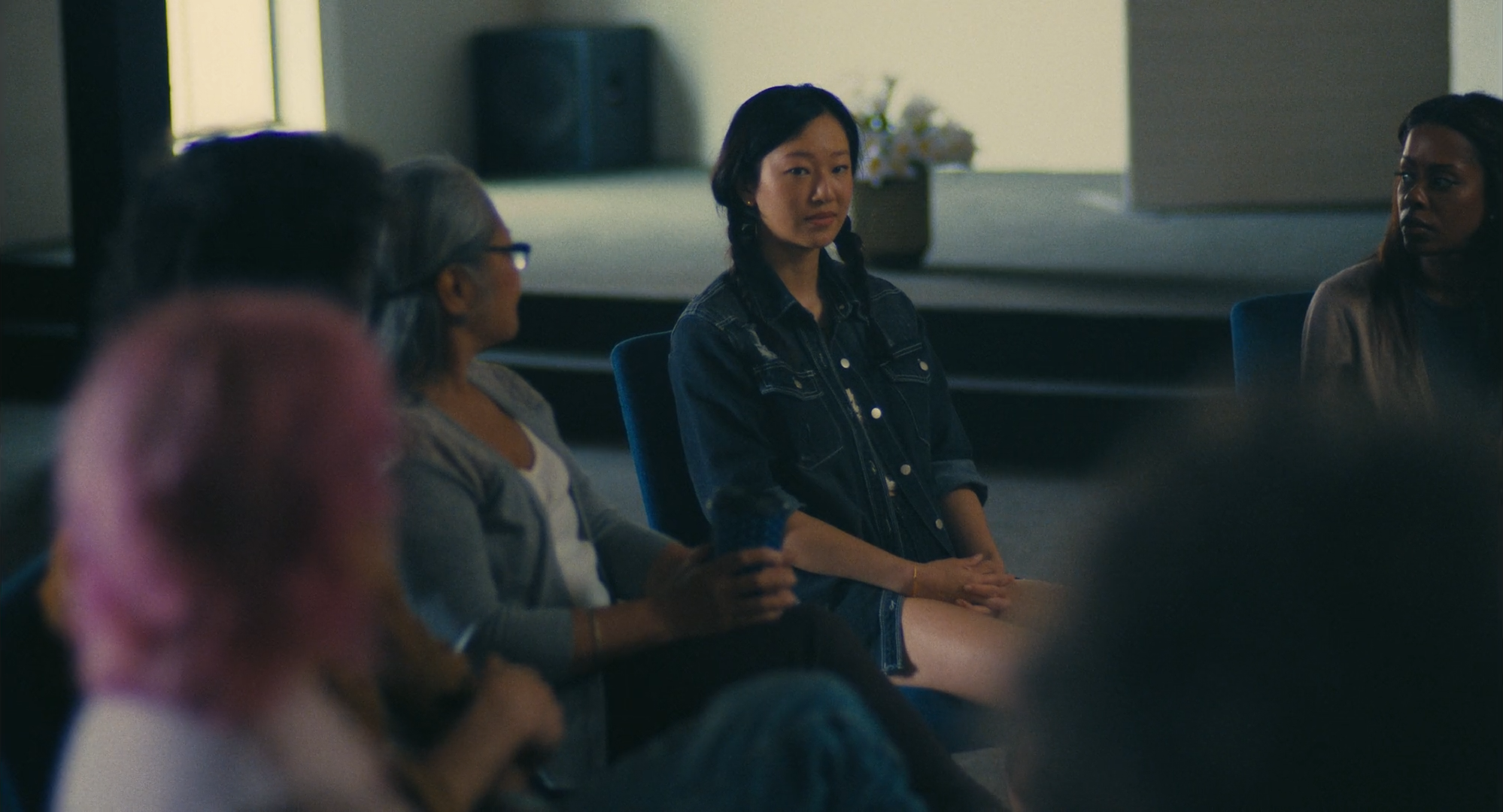
Wendi Tang’s latest short film Fishtank is a surreal exploration of recovery inspired by the director’s dreams. The film centers on Jules’, who has been sober for a year, but can't stop vomiting goldfish. Her decision to take control over her life is threatened when a fish enthusiast unexpectedly enters her life.
Fresh from its screening at the Hollyshorts Film Festival in Los Angeles this month, Fishtank is the latest in a series of short films by Tang which focus on “character-driven stories that explore various corners of female narratives”.
Tang graduated from NYU Tisch/Stern dual degree programme, and since then, her films have been selected by numerous Oscar-qualifying film festivals worldwide, including Flicker’s Rhode Island IFF, the Norwegian Short Film Festival, and deadCentre film festival, and she won the 2022 NYC Women’s Fund.
Bad Gal Film Club caught up with Wendi Tang ahead of Fishtank’s release.
Hi Wendi, congratulations on being selected for the HollyShorts Film Festival shortlist. Can I start by asking how you got into filmmaking/writing?
Many people share similar "origin stories" as filmmakers, but here’s mine one more time! It all began in childhood when, as the only child in my family, I used my little video recorder as a second pair of eyes, capturing all sorts of things. This sparked my passion for filmmaking. My journey into writing and directing, however, was different. Like many only children in China during that decade, I led a somewhat nomadic life amid the country's economic boom.
My parents' demanding jobs often kept them unavailable, so I spent much of my time either watching TV alone at home or playing games at friends' houses to fill the companionship void. One of our favorite activities was reenacting scenes from TV shows we had watched the previous night. My reluctance to act led me to take on a "directorial" role, guiding the others in learning their lines, expressing their thoughts, and positioning themselves correctly. Unbeknownst to me at the time, this was my first experience directing.
It took me a long time to gain confidence as a writer and director. I often doubted myself, worrying that I wouldn't succeed as a leader. However, the more I participated in various aspects of filmmaking, the more determined I became. I realised I needed to make my own films. Filmmaking became my way of communicating with the world. I spent five years in NYU's prestigious Dual Degree program at the Tisch and Stern schools, and now I work as a writer and director in Los Angeles.
Fishtank is a weird and wonderful surreal story. It feels really original. Where did the idea for this film come from, and are there any directors or films that inspire your filmmaking style?
The seeds of this idea came from many places, but the real inspiration was a lucid dream I had. In the dream, I was in the middle of nowhere, feeling like I was going to vomit, but nothing happened. As I struggled to breathe, a goldfish suddenly appeared in my palm. When I woke up, that image stuck with me. I believe dreams reflect our subconscious, and this one seemed to be telling me something. I've always been drawn to stories that push narrative boundaries. I really admire Yorgos Lanthimos's early work, like "The Lobster," and every movie by Julia Ducournau. Their bold and unconventional approaches convey powerful messages.
Your films often centre on the female narrative - why is this important to you?
This is an interesting question. The first answer that comes to mind is, “I’m a female!” (laughing) but, more seriously, growing up, I watched tons of movies from around the world, and I constantly found myself asking, "Is this an authentic portrayal of what women can be?" It was easy for young girls to see the female characters on screen as role models, consciously or subconsciously. However, the more I explored my own feelings and perspectives, the more I realised we still lack a healthy variety of female characters and narratives. Often, they don't need to be someone's mother, daughter, or wife if they choose not to be. They have their own agency and desires, and that needs to be shown more on screen. I tell all sorts of stories, and female narratives are just as significant in my creative process as they should be in the world of films.
There are real moments of surrealism in Fishtank. Can you tell us about some of these moments and their role or impact in the film?
When I was younger, I used cinema as a way to escape the burdens of the real world. The more I did that, the more I valued imaginative concepts and ideas that could show me all the possibilities of creating. In "Fishtank," my goal is to tell a powerful and relatable story in an unusual setting. By seamlessly weaving together narrative and surrealism, I want the audience to experience surprises and emotions, and ultimately feel an urge to start a conversation.
The film has been selected for multiple upcoming film festivals. What has the reception to Fishtank been like, and what was the main thing you would like people to take away from the film?
I attended our world premiere at the dead Center Film Festival this June, and I was deeply touched by the audience’s response to the film. I planted a lot of seeds and details throughout the movie, and it was rewarding to see different audience members pick up on various aspects. As a writer and director, it's incredibly fulfilling to have the audience engage with your work, whether through comments on a scene or questions about a shot. I take all comments with gratitude because the fact that they want to talk to me about it already means a lot. After all, no one would discuss a film if it didn't stir something in their heart.
What advice would you give to aspiring filmmakers looking to make really good short films?
I graduated from NYU Tisch's film program a few years ago, and fortunately, I was able to make a lot of mistakes and practice my skills there. While film school isn't a requirement, I believe that immersing yourself in the process and learning by failing is an important first step. I made a few shorts before "Fishtank," and without a doubt, "Fishtank" is the most difficult project I've ever worked on.
Before beginning pre-production, you must first polish the script. You want the script to fit your vision not only creatively but also practically. There will be compromises, but letting go of some elements at the right time will help you see the project through to completion.
There's a saying in Chinese, "天时地利人和," which means "any achievement requires the right time, the right place, and the right people." This is true of any creative process. Finding collaborators who share your vision and support you from start to finish is critical. This shoot had a lot of moving parts, and I'm glad I found my team along the way, who did an excellent job of executing and supporting my vision.
It takes a lot of willpower to get through the process. Even though I began pre-production nearly six months before the shoot, unexpected events occurred weekly. My team and I often joked that if we could pull off the "hardest shoot," there was nothing we couldn't do. After experiencing major crew changes, equipment malfunctions, and numerous other difficulties just a week before the shoot, the fish was actually one of the easier parts to manage. The process was, of course, intimidating at first. So the only advice I have is to be prepared to solve problems every day while remaining positive. After all, finishing something is already a huge achievement nowadays!
And finally, what’s next for you as a film writer and director?
I'm currently working on the draft for the feature film version of "Fishtank." I also have a couple of short projects lined up for later this year and next. More generally, I plan to continue living life fully, finding beauty in the nuances, and communicating with the world through filmmaking.