5, 6, 7, 8… Bring It On is surprisingly up to date
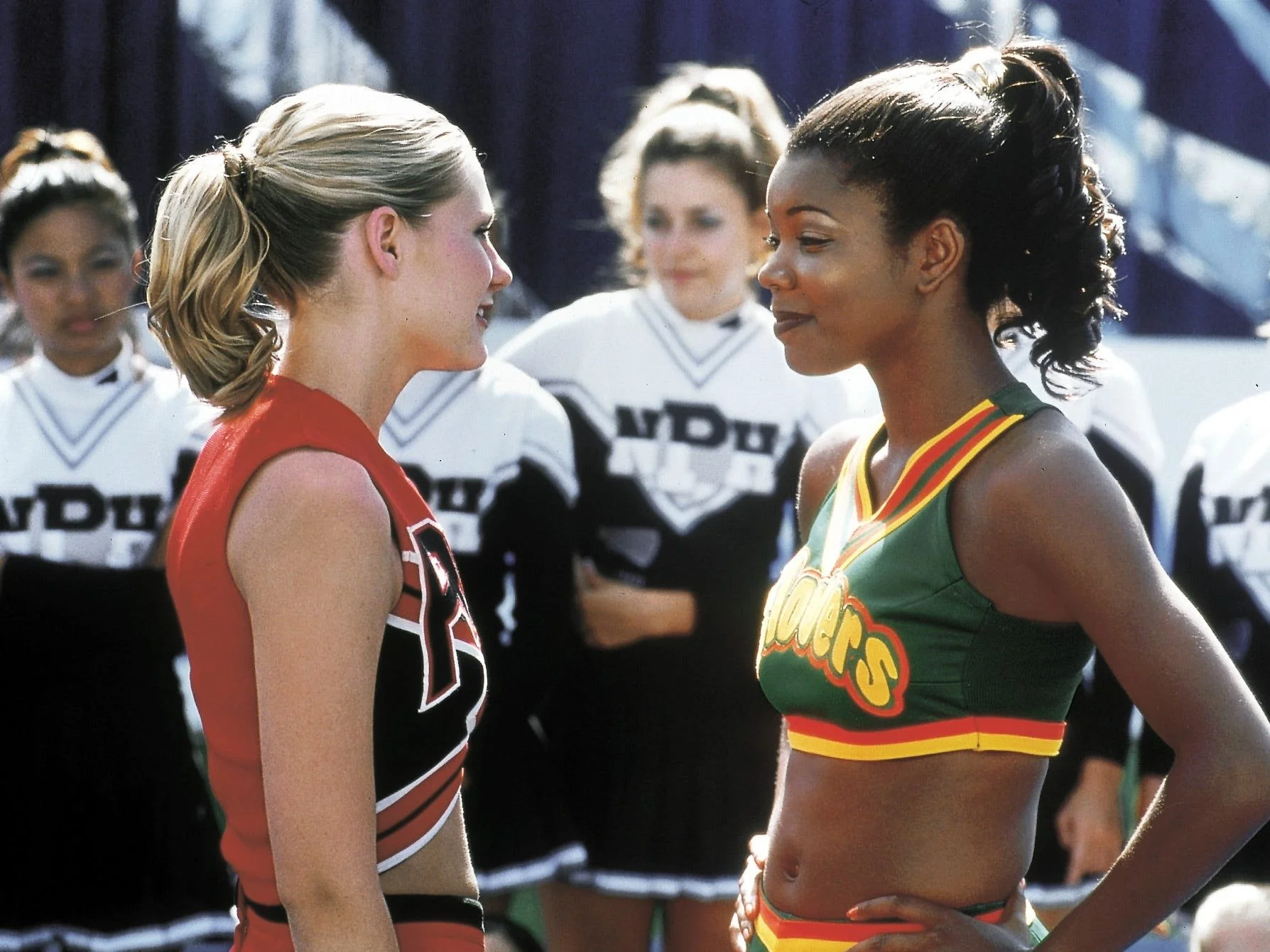
Bring it On (2000) Beacon Pictures / Universal Pictures
by Rachel Raftery
@rachelkxte
If the words “Brrrr, it’s cold in here” bring a catchy tune to your ear, I assume you’re familiar with the classic 2000’s cheerleader film Bring It On. Myself and Maisie, my best friend from year 7, have been obsessed with this movie, rewatching it at least once a year, although now we’ve swapped the Haribo for a bottle of wine. Only recently, under the influence of a crisp Sauvignon blanc have I thought to myself, how and why is this film still so good? Unlike most of the ‘chick-flick’, teen romance films made in this iconic era of cinema, I can rewatch Bring It On without cringing. No stiffening sensation of feeling awkward about themes and unsavoury dialogue. It still stands up. And here is why I think this:
Disclaimer: I will be discussing (and only discussing) Bring It On, the original movie, made in 2000 and Written by Jessica Bendinger and Directed by Peyton Reed. Simply because, the others are complete trash. Thank you.
For those of you who don’t know, Bring It On is a campy 2000s cheerleader film. To a crazy electronic and EDM soundtrack (seriously, why does Cheerleading music sound like that?) we follow Torrance Shipman played by Kristen Dunst. She’s a high school cheerleader and this year she is appointed the new Captain of Rancho Carne High’s Cheer Team. During her first practice, one of her teammates falls and injures herself. And so we meet Missy Pantone, played by Eliza Dushku, during try-outs for a new squad member. Missy first resists the recruitment, as she has just transferred to Rancho Carne, and is looking for something to replace the lack of gymnastics team, but isn’t impressed by the hyper-femme panel of cheerleaders that sit before her. But Torrance is convinced, and after some persuading, gets Missy to join the Cheer Team and introduces her to their world.
“This is not a democracy, it's a cheerocracy” — Torrance Shipman
I didn’t realise it when I was younger but this film subconsciously seeped into my inner baby feminist, revolving around a group of strong and competitive women, all with very strong opinions that they aren’t scared to be heard. We see Torrance rise to a place of power as a leader, and Missy - who even though refuses to fit into the classic cheerleader role - still eventually earns respect from the rest of the team. But the world of Rancho Carne High School isn’t a normal one. As they arrive at the school football game, Torrance explains to Missy “Games are just practice for us”, revealing that the Football Team they’re cheering for are, well, pretty shit. In a weird flipped universe, the cheerleaders and the celebrities at this school. They bring home trophies every year whilst their terrible football team are considered a bit of an embarrassment. At the Cheerleading Regional Competition, the team compete in a highly respected sports environment, the goal being to be recognised for their craft, not to cheer on some pathetic men in shoulder pads.
Torrance has two separate love interests during the movie, beginning with her recent college freshman boyfriend Aaron. Early on in the film we learn he is cheating on her, but she honestly doesn’t really care, she’s just too busy. Then there’s the new guy, British Punk Band loving, Cliff Pantone (wit woo). And for anyone not using their critical thinking skills, Cliff is Missy’s brother. DRAMA. Well, not really. Unlike The Kissing Booth (2018) and Edge of Seventeen (2016), Missy doesn’t really give two shits that her brother has the hots for her best friend — and vice versa. Even when it all comes to a highly sexually tense tooth brushing sequence between Cliff and Torrance, Missy just stands there with a teasing smirk. She gets it — girl’s gotta eat.
But I too would care A LOT about my dental hygiene if Jesse Bradford was in the bathroom.
During her first practice Missy storms out of the gym after recognising a cheer, she takes Torrance to LA to watch The East Compton Clovers cheerleading squad at a football game. Here it's revealed ‘Big Red’, the old Toros coach. would film the Clover’s cheers “putting this blond hair on it and calling it something different”. Torrence is in shock, none of their cheers original, and stolen from a majority black team. And after learning about their lack of resources and funding issues, something she has never had to think about, she offers them a sponsorship from Daddies company. Thankfully Isis (the captain of The Clovers) refuses, saving this film from a white saviour narrative, and they decide to compete fairly.
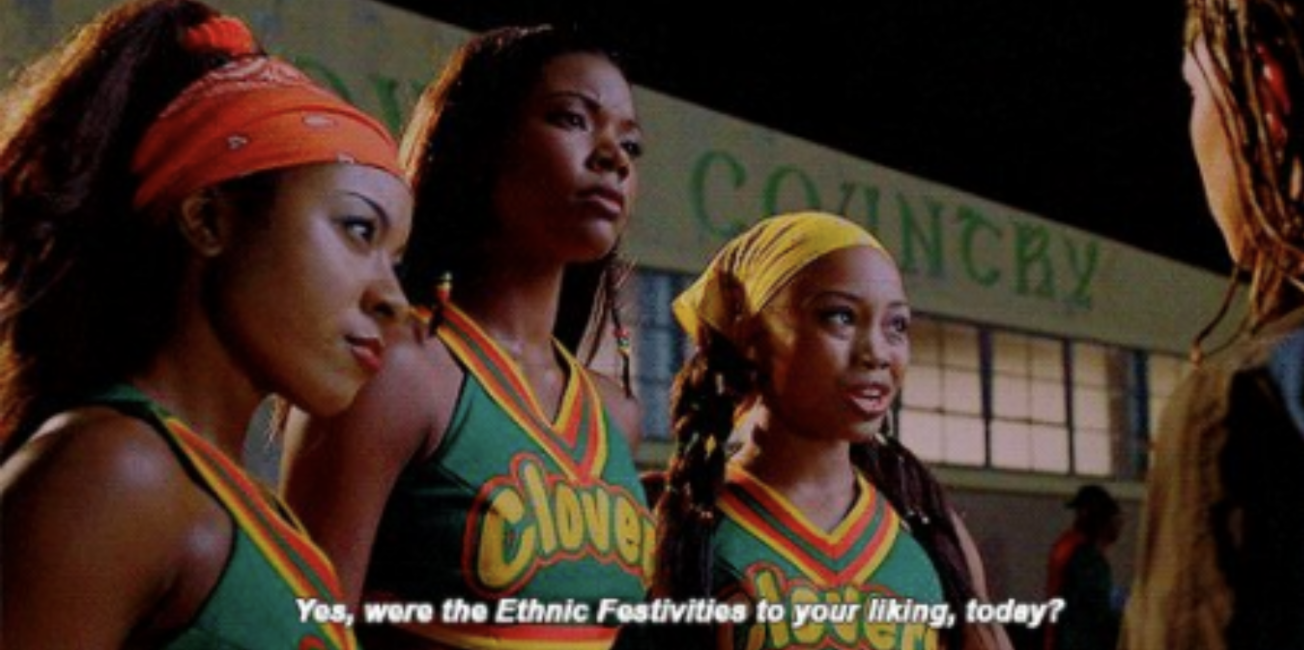
In a new light, Torrance refuses to perform the culturally appropriative cheer, even when her fellow squad members resist. She keeps them accountable, that if they are going to win they should be able to beat the best and their competitors should have as fair a chance as they do. GO EQUALITY!
After learning their cheer was stolen, Torrence was still trying to evade some good hard work by coming up with her own cheers, so instead hires the eccentric and downright fat-phobic, Sparky Palastro. After raising money from your typical underage-high-school-bikini car wash they pay Sparky to teach them the most insane routine. Unfortunately, when it came to the competition, all the other rich privileged girls had hired him too, so their routine was a copy - again. Due to their current winning streak and highly regarded reputation in the cheer community, the Toros get off lightly and are allowed to compete in Nationals. Because if they faced real consequences, there would be no room for character development in the rest of the plot…
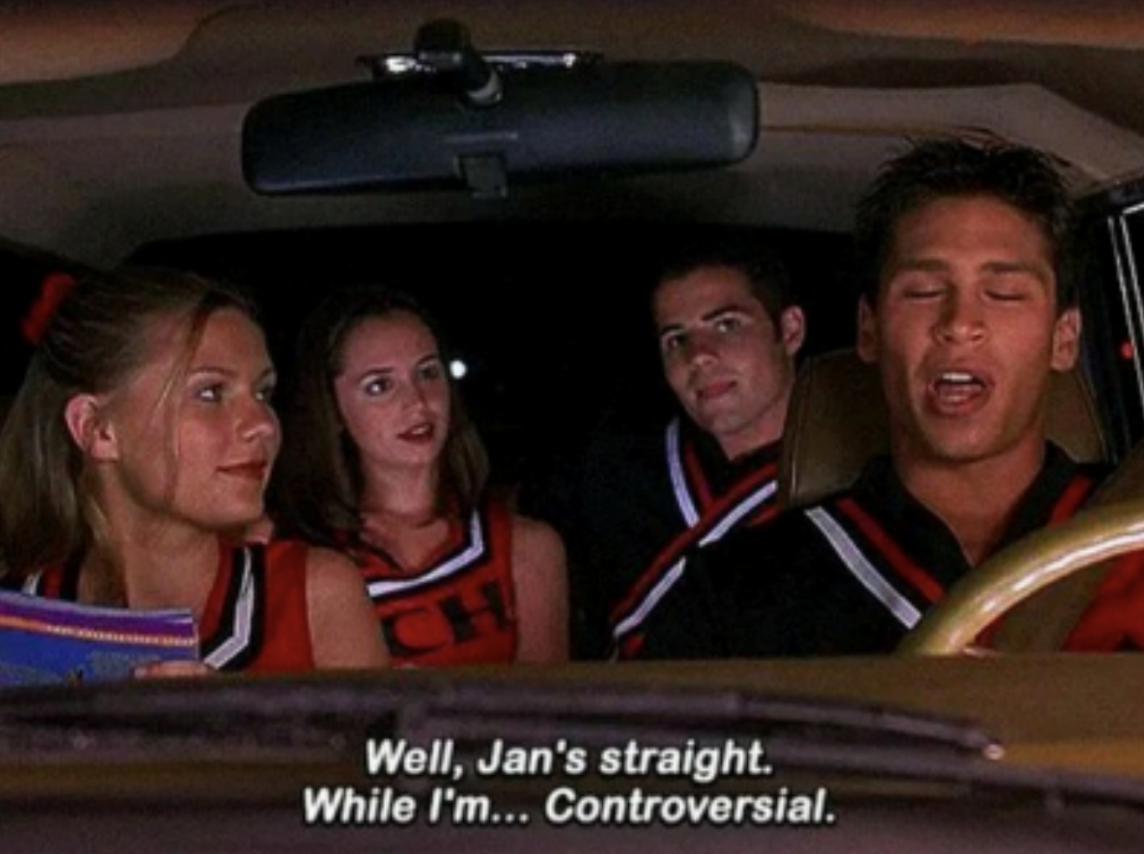
Although Missy is labelled an ‘uber dyke’ in the beginning (who knew cargo pants were such a crime), this movie has the perfect 2000s homoerotic sprinkle. Missy asks about their sexual orientation with a blasé comment in the car on their way to a competition, with laughing but positive reactions. And we even end on a potential gay romance between two male cheerleaders, what’s not to love?
This movie is fun and camp, and doesn’t take itself too seriously. Half of the protagonist's intentions are fuelled by her belief that she is cursed by a magical ‘spirit stick’ at cheer cheer camp. But it addresses serious themes throughout without tiptoeing around them, yet not bulldozing them either. It showed teenage me that my passions were legitimate, that I can care about feminine things, that I can be brash, opinionated, stand up for what I believe in, and… maybe a little gay.
Go Toros!