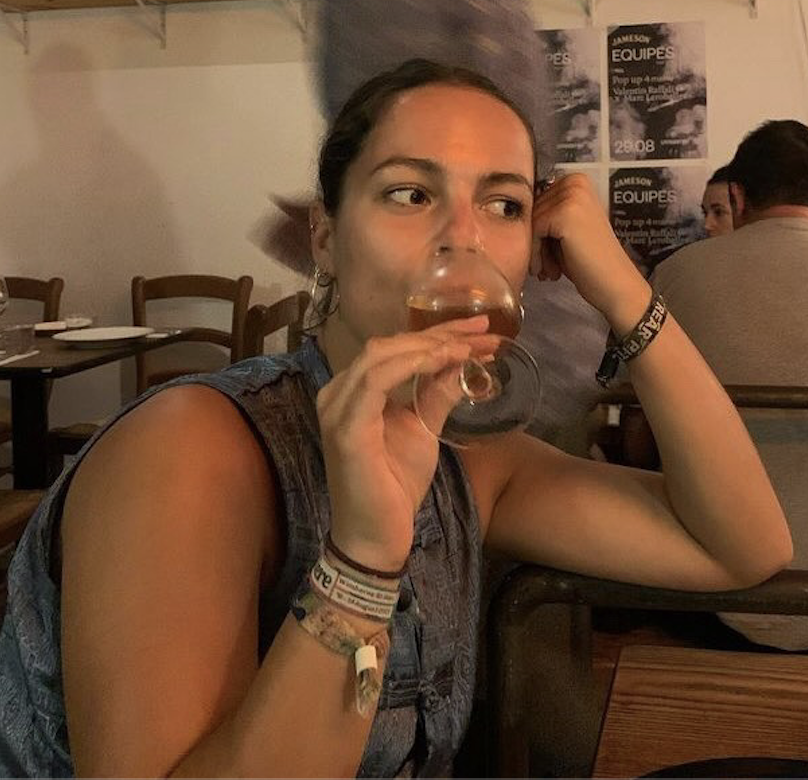
In Conversation: Danielle Baynes, award-winning actor, writer, director
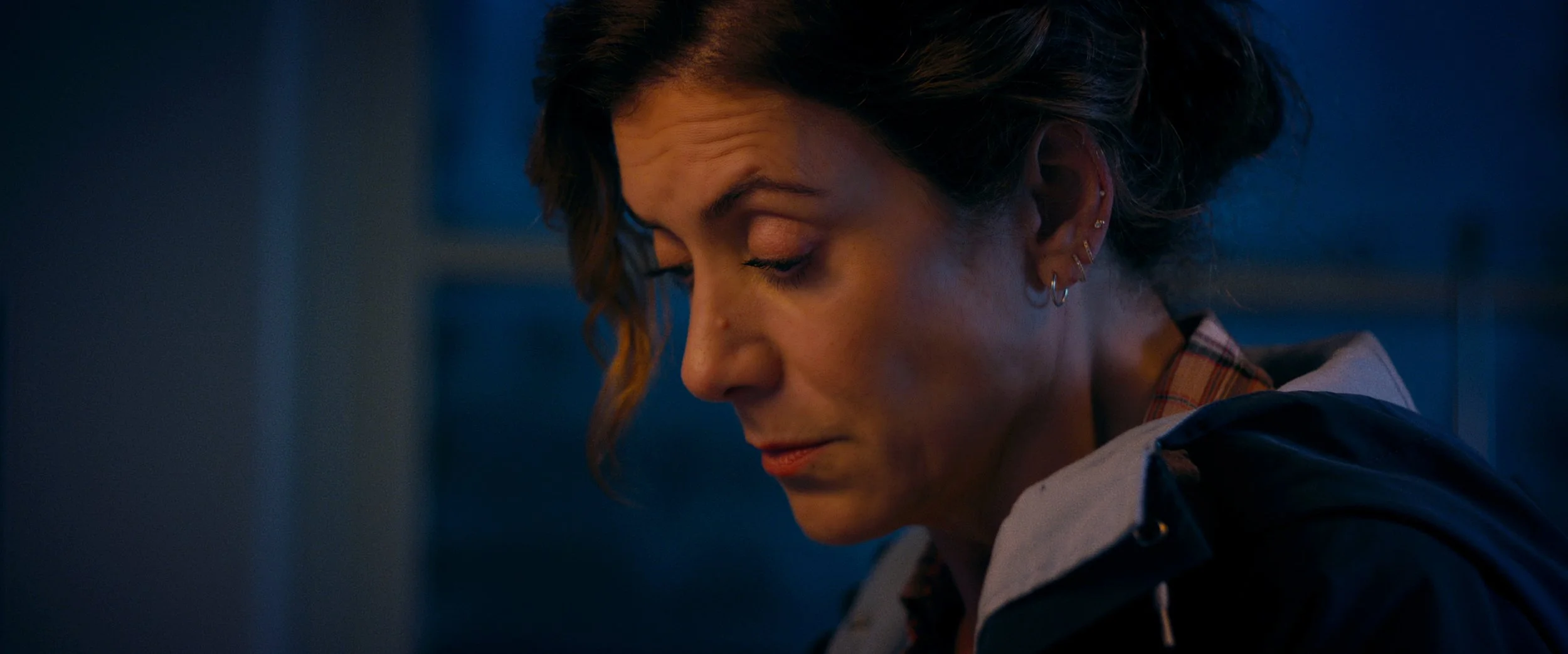
Kate Walsh in The Dog (2024)
*TW: Mentions of suicide
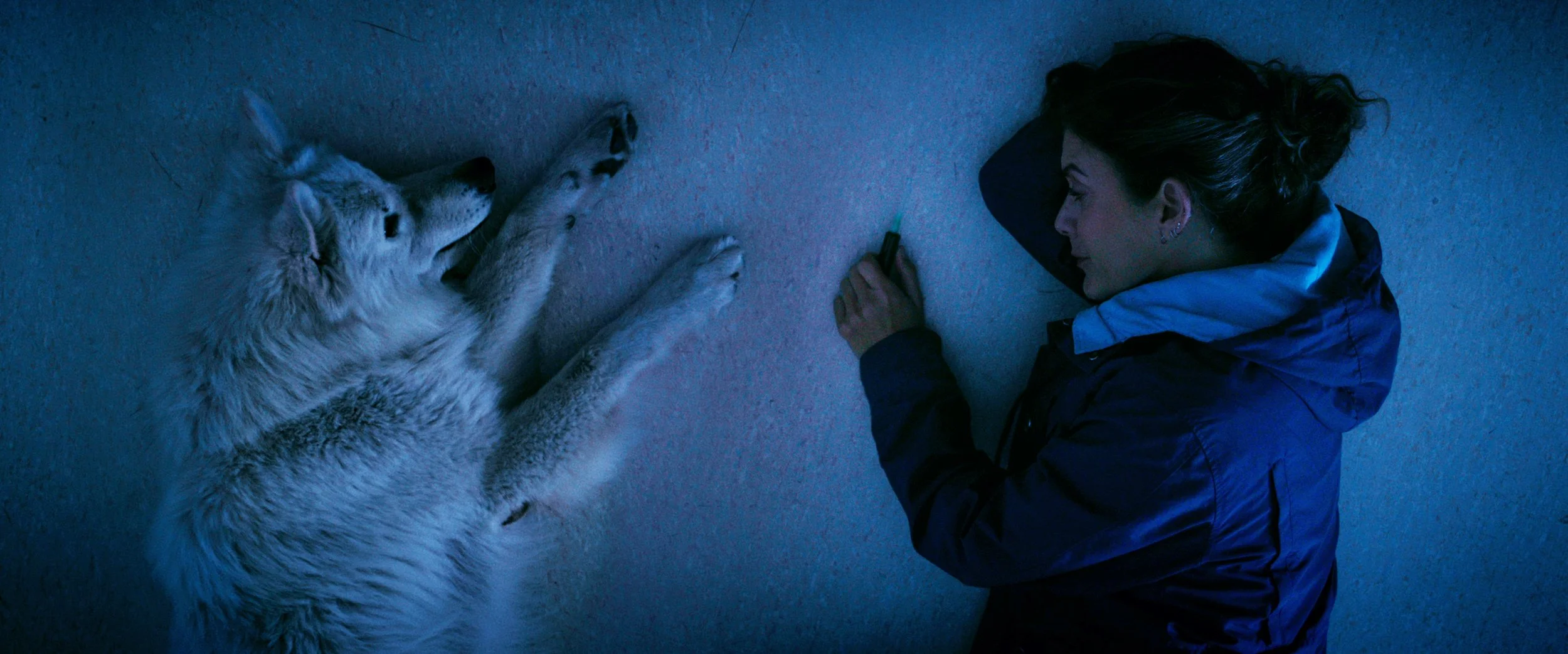
In Danielle Baynes latest short film, the Australian writer and director immerses audiences in the world of veterinary work through the magical realism of a dog that talks and an all-consuming soundscape.
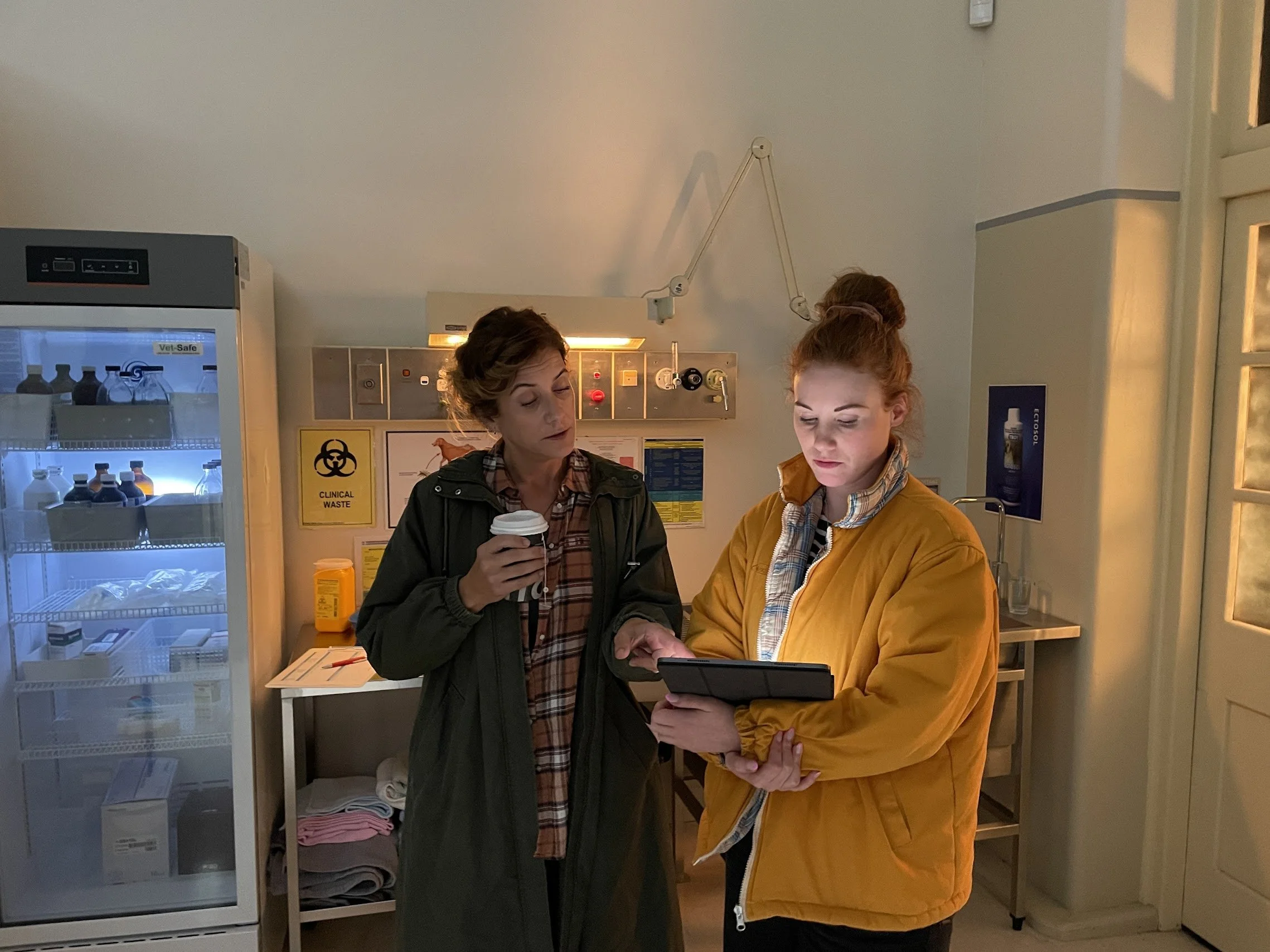
Set over the course of one night at a 24-hour clinic, The Dog sees struggling veterinarian Claire, played by US star Kate Walsh (Grey's Anatomy) contend with the pressures of her shift and a persistent inner turmoil, when a sick dog mysteriously appears and tries to negotiate their own death.
The 12-minute film is an exploration of resilience and vulnerability, when one’s job is both healer and executioner, and raises awareness about the mental health impact and alarming suicide rates among veterinarians around the world.
Bayne’s latest short marks a significant collaboration between the emerging director and Kate Walsh, and features stunning cinematography from Australian heavyweight Stefan Duscio (The Dry, Shantaram, The Invisible Man).
The Dog recently began its festival run, screening at the Oscar-qualifying HollyShorts Film Festival in August.
Mia Vines Booth spoke to the director ahead of The Dog’s screening at Odense International Film Festival in Denmark and DC shorts.
Congratulations on such a fantastic reception to The Dog. I’m sure it's been a whirlwind! Can I ask firstly how The Dog came about - what drew you to explore this really unique subject?
Thank you so much! The response has been amazing to see. I initially set out to write a script that explored loss, grief, and our formative experiences with the concept of impermanence, or “gone for good”—something I personally first encountered through the loss of my best friend’s dog when I was very young. The story naturally started to take shape in a vet clinic, focusing on the moment a family has to say goodbye to their pet.
During my research, I spoke with vet friends about their experiences with these interactions. What emerged were powerful stories of the emotional burden vets carry, not just from euthanasia itself, but from a range of specific factors leading to burnout, depression, and alarmingly high suicide rates — four times higher than the general population in Australia, a statistic echoed in the UK, US and elsewhere.
The paradox of the caregivers being so vulnerable was particularly compelling, especially when one vet social worker described them to me as both healers and executioners. This duality was something I felt needed to be fleshed out in the film.
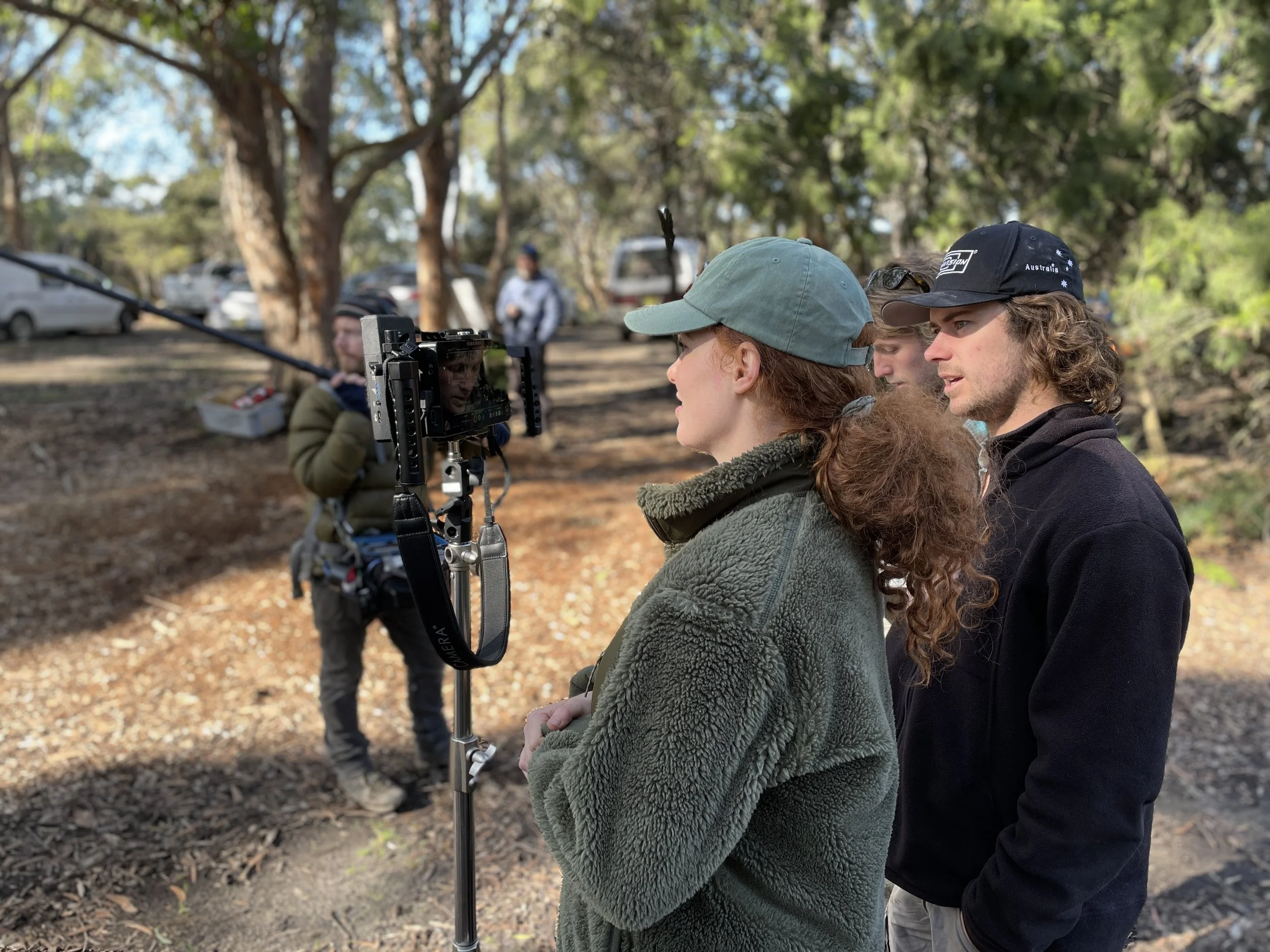
We spoke about the mental health crisis among veterinarians via email - could you discuss this in more detail and how this is reflected in your directorial choices in The Dog?
The mental well-being issues in the veterinary field are heartbreaking, with many vets facing burnout, depression, and anxiety. There are so many factors at play, it’s a complex and nuanced issue and the factors vary based on role, area of focus, location etc., but when you look at the suicide statistics in the sector and consider that over 66 per cent of households in Australia and the USA have pets, it’s clear just how vital vets are in our lives. I recently read that a pet receives emergency care every 2.5 seconds in the US, which shows the immense responsibility vets carry every day. I wanted to make people think more about the care and empathy vets need from us in return. There are some amazing organisations, like Not One More Vet and Sophie’s Legacy, doing really impactful work to support vets, and I wanted The Dog to contribute to that conversation.
In making this film, I really wanted to dive deep into those raw, emotional moments that vets face but that we, as pet parents, might not fully appreciate. I was influenced by the work of Ken Loach and Guillermo del Toro whilst crafting the directorial vision. My goal was to create moments of raw, authentic emotion that would immerse the audience in the private struggles of the characters, and then shift gears into a type of magical surrealism. The opening scene, where a father and daughter experience the loss of a pet, reflects the universal moment when many of us first witness our parents' vulnerability.
I worked really closely with the brilliant Australian cinematographer Stefan Duscio (The Invisible Man, Shantaram) to design camera movements and shots that heavily immersed the audience inside the clinic rooms. Setting the story during a night shift at a 24-hour clinic felt right because it's a time when emotions and exhaustion are at their peak. I wanted the film to have that "dead of the night" feel, with lighting and colour that really pull you into that world. Everything in the film — from the pacing, tone, style, sound design and visuals — was designed to make you feel the weight of what our protagonist, Claire, is going through, both internally and externally.
You describe your work as “cause-driven”. Would you say The Dog is a continuation of this theme?
The Dog is very much a continuation of my cause-driven work. This is my second project that delves into a character grappling with their mental state. My previous film, COMMENTS, explored the impacts of cyberbullying and social media on a teenage girl during one harrowing night after school. That film had a traditional festival run but also found life as an educational resource, used by schools and educators for group screenings and discussions. I love the short film format for its ability to tell powerful, concise stories while also serving as a tool for social impact.
With The Dog, it’s being embraced as a resource by the vet community, shown at major veterinary conferences and events. For me, this project aligns perfectly with my belief that film can spark meaningful conversations and drive positive change. Being able to create films that not only engage audiences but also contribute to important social issues is incredibly rewarding.
Kate Walsh is so captivating in this film - you can really see her anguish but also her tenderness as a vet throughout. How did the collaboration between yourself and Kate come about?
I agree! Her performance blows me away every time I watch it. I was very fortunate in that Kate had recently moved to Australia whilst I was developing The Dog. I’ve been a long time fan of her work since the Grey’s Anatomy days, and when I saw that she was getting involved with the local Australian industry, I reached out through a mutual contact to send her the script. Thankfully, it resonated strongly with her, and we started discussing the role and collaborating from there.
Kate is so warm and charismatic on screen, and she also brings incredible depth to every nuance of her character. Given the emotionally heavy role and our limited shooting time, her experience, talent, and instincts were such a gift to me as a director. We’re really proud of the end result and it’s been so rewarding to receive all the positive feedback on her performance from fans, audiences and critics.
The soundscape in The Dog is so visceral and immersive. How did you create this and why was it important to the film?
Thank you so much. I worked very closely with my incredible sound designer, Sam Hayward (who has just been nominated for an Emmy Award for Netflix anime series Blue Eyed Samurai), and composer, One Above (Andrew Burford), to achieve that exact feeling. This is my fourth collaboration with Sam and third with Andrew, so we’ve developed a strong creative shorthand. From the scripting stage, I envisioned the sound design conveying Claire's internal turmoil, especially in those moments when she’s alone, struggling to hold it together.
I knew I wanted the sound to be a window into her mental state, but it wasn’t until I was in post-production with Sam that the vision truly took shape. Sam crafted a really rich soundscape by layering a collage of animal sounds, vocalisations, and the subtle, often eerie noises of the clinic environment all to build a sense of tension and unease. Andrew then complemented this with deep, resonant drones, tones and melodies that subtly shift the emotional weight of a scene.
We spent a lot of time experimenting with how heavy or light-handed we wanted these layers to be at different moments, finding just the right balance between the abstract and the literal. It really became a key narrative tool, guiding the audience through Claire’s internal struggles and intensifying the emotional impact of her shift.
More broadly, what is it like working as an emerging director and writer in Australia’s film industry?
We have a fantastic arts, film and creative industry in Australia! Our industry is small in comparison to the US or UK, but that creates a tight-knit community where you can build strong connections and collaborate with some of the most talented people in the world. There are so many Aussie filmmakers who have inspired me, who have really distinct Australian voices but still find international audiences. We have world-class crews and post-production houses, and great support from screen funding bodies, especially for emerging filmmakers. I also feel very fortunate to have been born in a place with the oldest continuous culture in the world, with storytelling at the heart of Aboriginal and Torres Strait Islander culture for over 65,000 years.
And finally, have you got any other projects in the pipeline?
I do! And I'm really excited about developing my slate of projects. I’m currently working on a feature horror film exploring the idea of childhood wounds. Another project is a feature sci-fi, a feminist take on a future world and the idea of “having it all”. Additionally, I'm developing a mystery drama TV series about the impact of a fatal workplace accident, and a sci-fi teen drama set in and out of virtual worlds.
I’m always looking to connect with other creatives and producers, so this is my official call out to any Bad Gal Film Club readers to hit me up!