Celebrating Female Friendship: Exploring the Best Tropes of Sisterhood on Screen
by Sarah Polley
@sarahpfilms
Women in cinema are often confined to clichéd roles or overshadowed by male characters. Strong female protagonists are typically depicted as solitary figures or are only surrounded by male companions (looking at you Katniss Everdeen, Mulan, and Hermione Granger), which sidelines the power of female camaraderie. Despite this, movies focusing on female friendships are often disregarded as 'quality cinema' and unfairly dismissed as "chick flicks." However, there is a wealth of such films available, indicating a clear desire for this genre.
In this piece, I will delve into the intricacies of female friendship and my favourite tropes within this wide genre, examining why these bonds resonate with audiences.
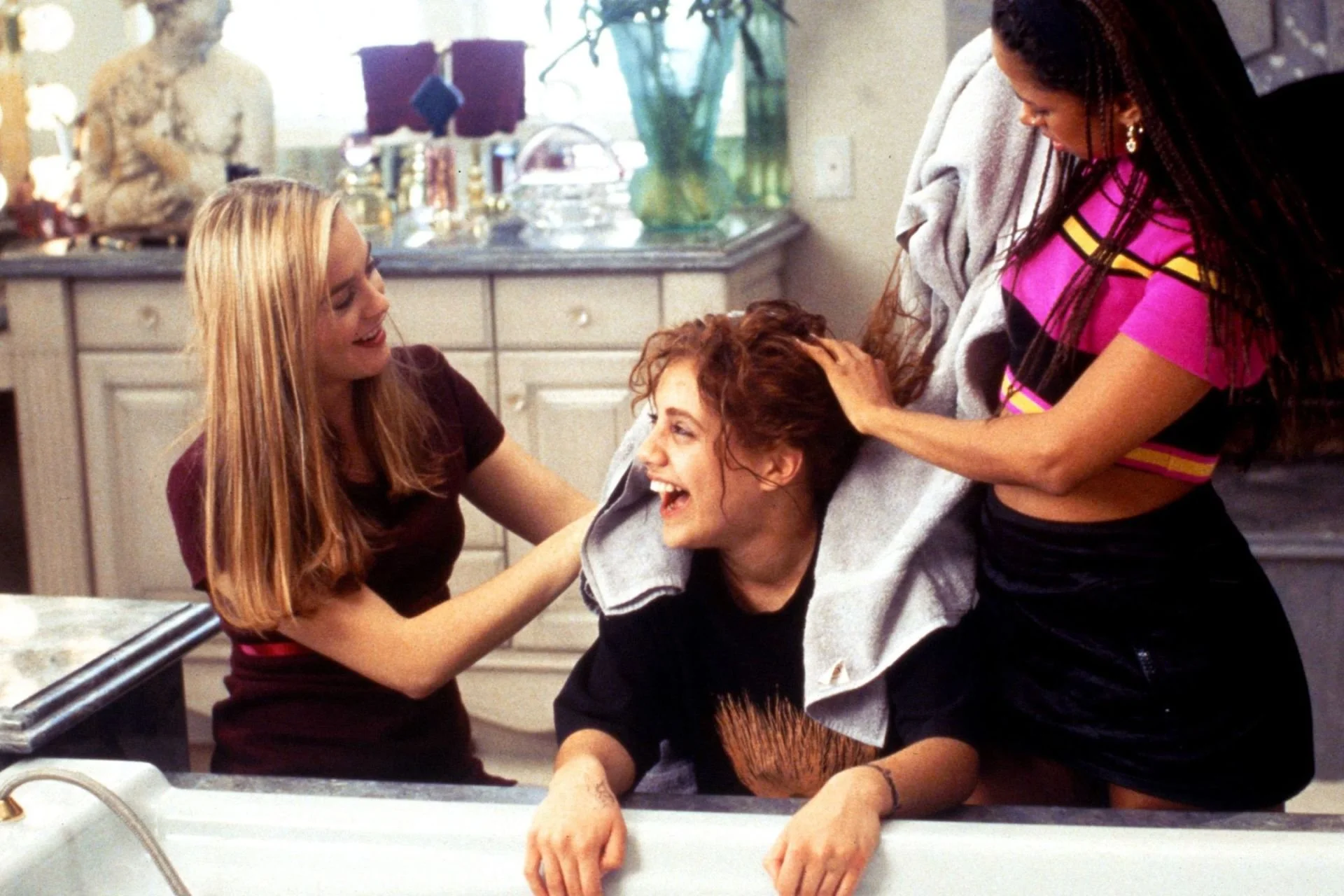
Mutual Guidance: the friendship serves as a platform for mutual growth and development, benefitting all individuals involved.
Clueless (1995) may be renowned for its iconic fashion, but it also serves as a poignant portrayal of enduring female friendships. Cher and Dionne epitomise friendship goals with their coordinated outfits and shared language, showcasing the depth of their connection. Their collaboration extends beyond personal matters to include empowering their new friend, Tai, through a makeover project, highlighting the significance of female mentorship on the path to womanhood. Through this makeover, Cher not only helps Tai find her confidence but also undergoes her own internal transformation, moving towards greater depth and acceptance. The emotional reconciliation between Cher and Tai after a disagreement speaks volumes about the depth of their connection, highlighting the nurturing relationship at the core of their friendship.
Mutual guidance can also be found in Grease (1960) between Frenchie and Sandy, Little Women (2019), and most recently Barbie (2023).
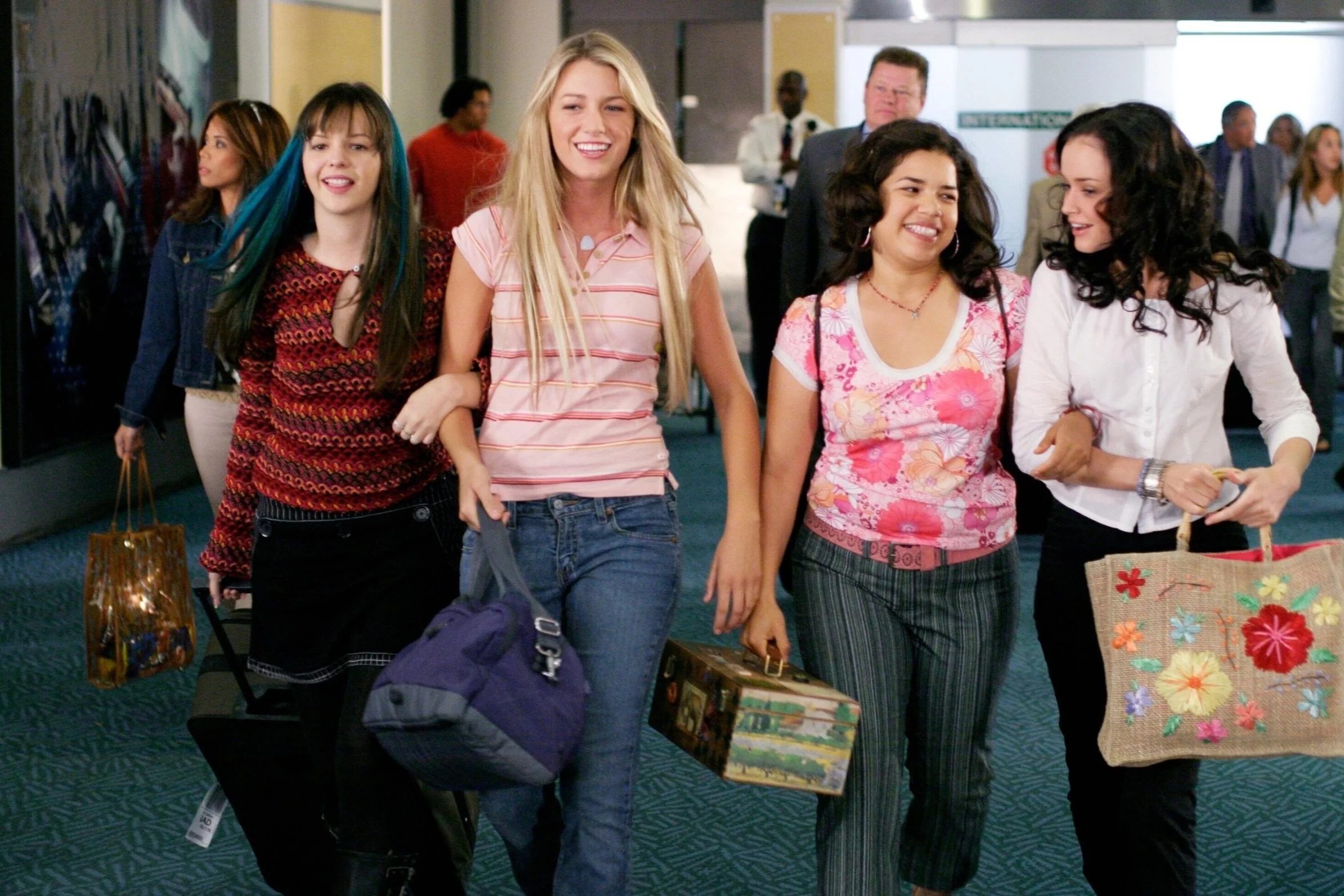
Rooted Friendships: these friendships have weathered the trials of time, fostering an unshakeable trust born from shared experiences and a lifetime of companionship.
In The Sisterhood of the Traveling Pants (2005) the strong bond between these girls goes beyond mere shared interests or personalities. Growing up together has cultivated a profound love and respect for each other, reminiscent of familial ties. Despite their individual differences in preferences, appearances, or life goals, they deeply value each other's successes and struggles, romances, and heartbreaks. Their friendship thrives on mutual understanding, allowing them to acknowledge and celebrate the unique perspectives that shape each girl's journey. Even when they are separated for most of the film, their enduring friendship is symbolised by the jeans they share, these jeans represent the constant support and companionship of their friends, even when physically apart.
This theme is also present in in Bratz (2007), Crossroads (2002), and Bridesmaids (2011) between Annie and Lillian.
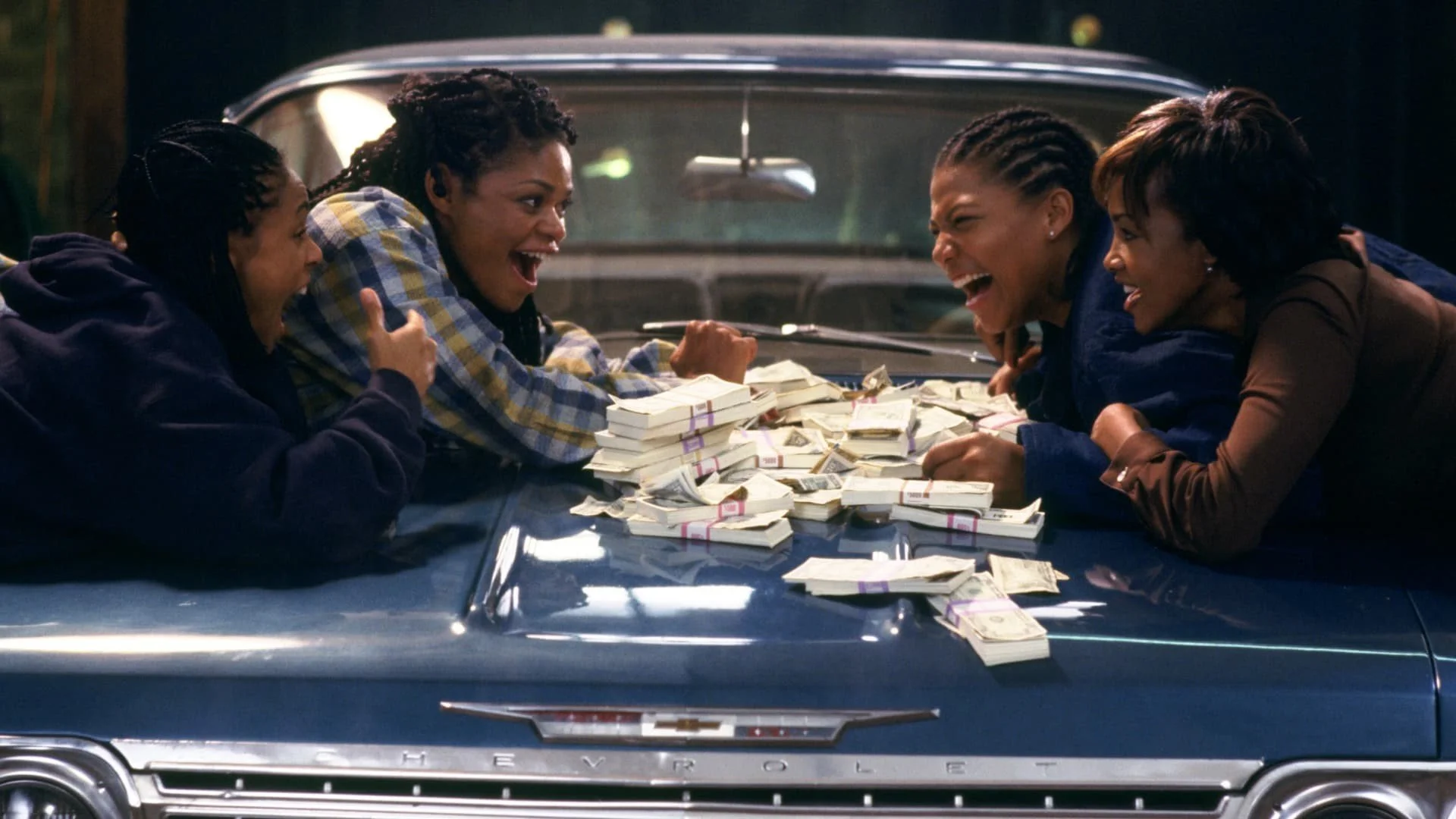
Ride or Die: Bound by an unwavering loyalty, these friends stand by each other through thick and thin, embodying a bond characterised by unconditional support and trust.
In Set It Off (1996), the female protagonists share an unshakeable bond built on unwavering support. They rely on their friends' instincts and offer unquestioning support in any situation, embodying true friendship. Referencing their school days, they share a familial connection rooted in mutual understanding and empathy for each other's struggles. This strong foundation explains why they trust each other implicitly, even when engaging in criminal activity. Set It Off offers insight into the characters' motivations, depicting their descent into crime as a response to desperation rather than a desire for wrongdoing. The pivotal scene atop a rooftop, where they discuss financial struggles and joke about robbing a bank, underscores the gravity of their situation. Despite external pressures, their bond remains unbreakable, with Cleo ultimately sacrificing her life to save her friends.
The Ride of Die friendship can be found in Thelma and Louise (1991), Booksmart (2019), Hairspray (2007).
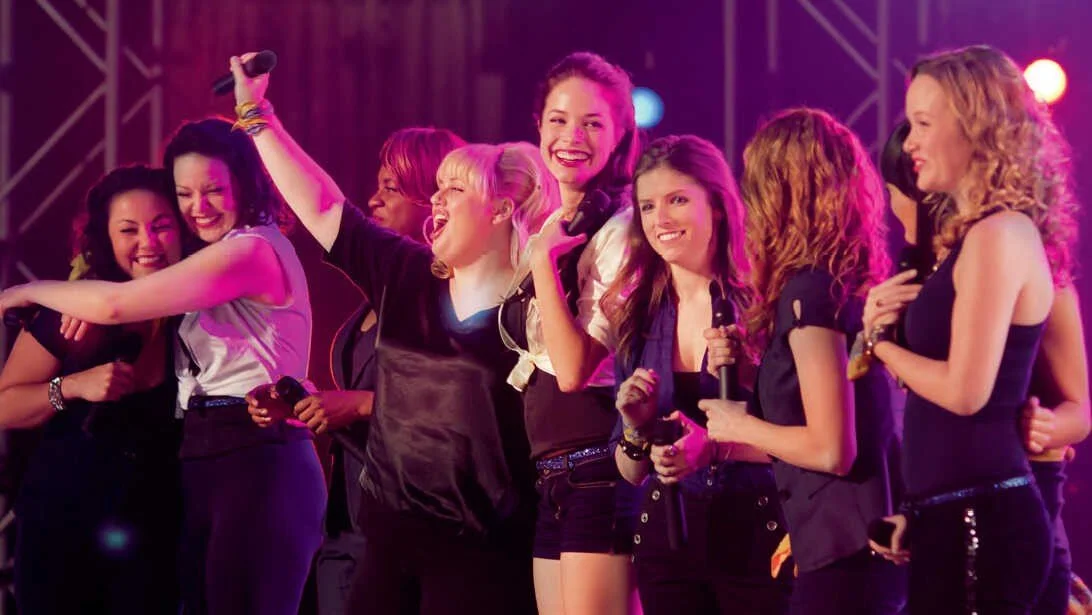
Found Family: A motley crew brought together by fate or shared interests, these individuals form a tight-knit group that provides a sense of belonging and support akin to that of a family.
Embedded in the heart of Pitch Perfect (2012) lies a profound narrative of sisterhood and friendship thriving amidst the competitive world of a cappella. The diverse group of individuals, each with their own personalities, come together and ultimately triumph in the competition, diverging from the prim and proper Bellas of the previous years. Throughout the franchise, we witness the significance of friendship for these women, many of whom are misfits or lack familial support. In the first movie, after the group experiences a falling out, they reunite with the shared goal of reaching the finals. Beca's return to the group sparks a transformative moment as they gather in a circle, divulging intimate secrets. This cathartic experience not only deepens their connections but also fosters a newfound trust in each other's instincts. Despite facing initial challenges, their journey underscores a fundamental truth: they are at their strongest when united.
This theme resonates in Bend it Like Beckham (2002), Sleepover (2004), Nine to Five (1980), and Wild Child (2008).
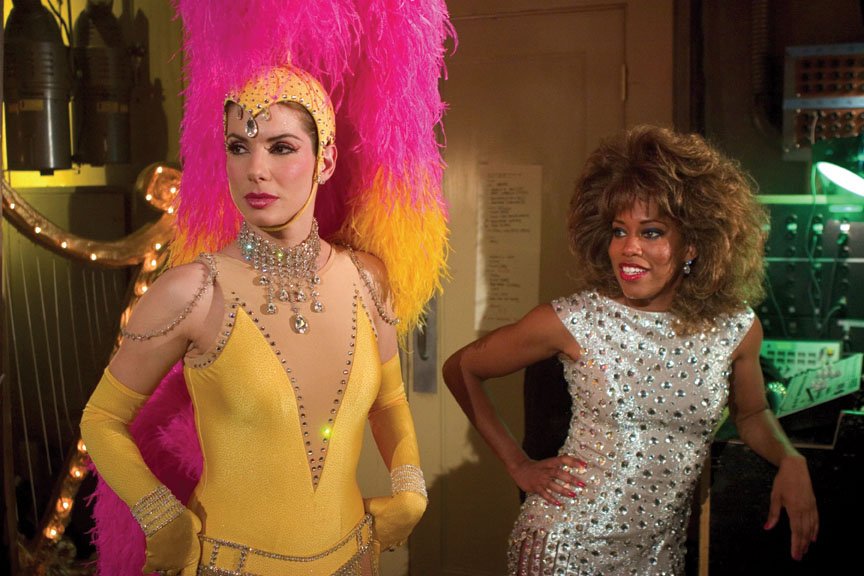
Enemies to Besties: Initially at odds, these individuals overcome their differences to form a deep and lasting friendship, demonstrating the transformative power of understanding and acceptance.
Gracie and Sam, characters from Miss Congeniality 2: Armed and Fabulous (2005), share remarkable similarities despite their initial differences in demeanor. Both hold a deep passion for their work in male-dominated industries and exhibit 'unladylike' traits, characterised by rudeness and brashness. Initially wary of each other, they gradually cultivate a mutual respect, gaining insight into each other's essence. Over time, Sam learns to trust Gracie, despite her initial resistance to cooperation. In the first movie, Gracie learns to strike a balance between toughness and femininity, enabling her to navigate her job with newfound strength and versatility. This evolution continues into the sequel as she embraces feminine attributes such as care and compassion, strengthening her partnership with Sam. Witnessing their transformation from tough exteriors to mutual respect is particularly fulfilling, especially within a genre where female buddy action movies are rare. Their dynamic banter further enhances their camaraderie, demonstrating that maintaining toughness while relying on the support of other women is not only possible but empowering.
This trope can also be found in Bring It On: All or Nothing (2006), The Parent Trap (1998), and Do Revenge (2022).
In Conclusion: While some films embody multiple tropes, they all share a common thread: women supporting and caring for each other as needed. From classic tales to modern blockbusters, these cinematic gems highlight the strength and beauty of female friendships, reflecting the multifaceted nature of womanhood. Nurturing growth, celebrating shared experiences, standing by each other through thick and thin—these friendships serve as a powerful testament to the strength and beauty inherent in female relationships.